FAQ
Answers to what plant engineers actually ask us.
The questions that come up before a quote, after a quote, and during a job. If yours is not here, send it directly.
Capabilities
Refining, petrochemical, midstream (pipelines and stations), tank storage and terminals, power generation, and LNG. Almost exclusively heavy industrial.
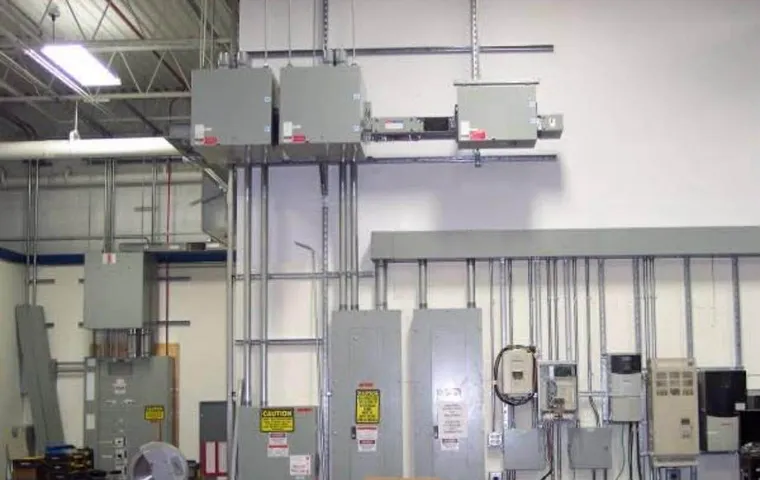
Electrical construction, instrumentation, substations, tank-farm E&I, and I/O building construction. We self-perform the core E&I scope.
Yes. Hazardous classified-area work is routine. Explosion-proof fittings, seal-offs, intrinsically safe loops, and the documentation that goes with them.
Yes. Plant substations are typically 4.16 kV through 138 kV. NFPA 70E qualified crews when energized work is unavoidable.
Yes. Bench calibration with traceable test equipment and field verification with HART or loop simulators. Certificates are retained and turned over.
Engagement and contracting
Both. We work direct for plants on E&I-specific scope and we sub to general contractors on GC-led projects.
Same business day acknowledgment. Walk-down within the week for most Gulf Coast facilities. Itemized estimate to follow.
All three, depending on the scope. We prefer the structure that matches the work: lump-sum where the scope is well-defined, T&M for emergency response, unit-rate for outage support.
Yes. Certificates of insurance available on request, with the limits and additional-insured language your contracts group needs.
Yes. Common before sharing site drawings, especially for retrofit work.
Safety
Built on NFPA 70E, OSHA 1910 and 1926, and the site's specific procedures. Daily toolbox talks, JSAs per task, LOTO discipline, stop-work authority for every crew member.
Yes. All field crews carry minimum OSHA 10. Foremen and site supervisors carry OSHA 30.
When unavoidable and only with an energized work permit, the right PPE, and a qualified worker. We prefer to de-energize whenever the schedule permits.
Per the site's hot-work permit procedure. Gas tests, fire watch, and clearance protocols followed for the duration of the work.
Standard for our market. Profiles and required documentation maintained current with the major contractor management systems.
Schedule, turnarounds, and emergency response
Yes. Most of our work is turnaround-driven. We plan crew sizes, shifts, and equipment around your TA window.
Yes. We carry on-call rotation for existing-client emergency calls in the Houston metro and Gulf Coast.
Same day in the Houston metro for most scope. Further out the Gulf Coast typically next-day mobilization.
When the job calls for it. Outage windows and operating-unit schedules drive the work pattern.
Documentation and turnover
As-built drawings, loop sheets, calibration certificates, megger and ground tests, cable schedules, photo documentation, and equipment data plates logged.
Yes. PDF binder or per-file structured turnover. We will follow your facility's preferred format.
Yes. Red-line markups during the work, as-built deliverables on closeout.
Minimum seven years post-closeout. We will resend documentation later if you need it.
Have a question that's not here?
Send it directly. We will respond the same business day.