Service · 04
Tank farms, end to end.
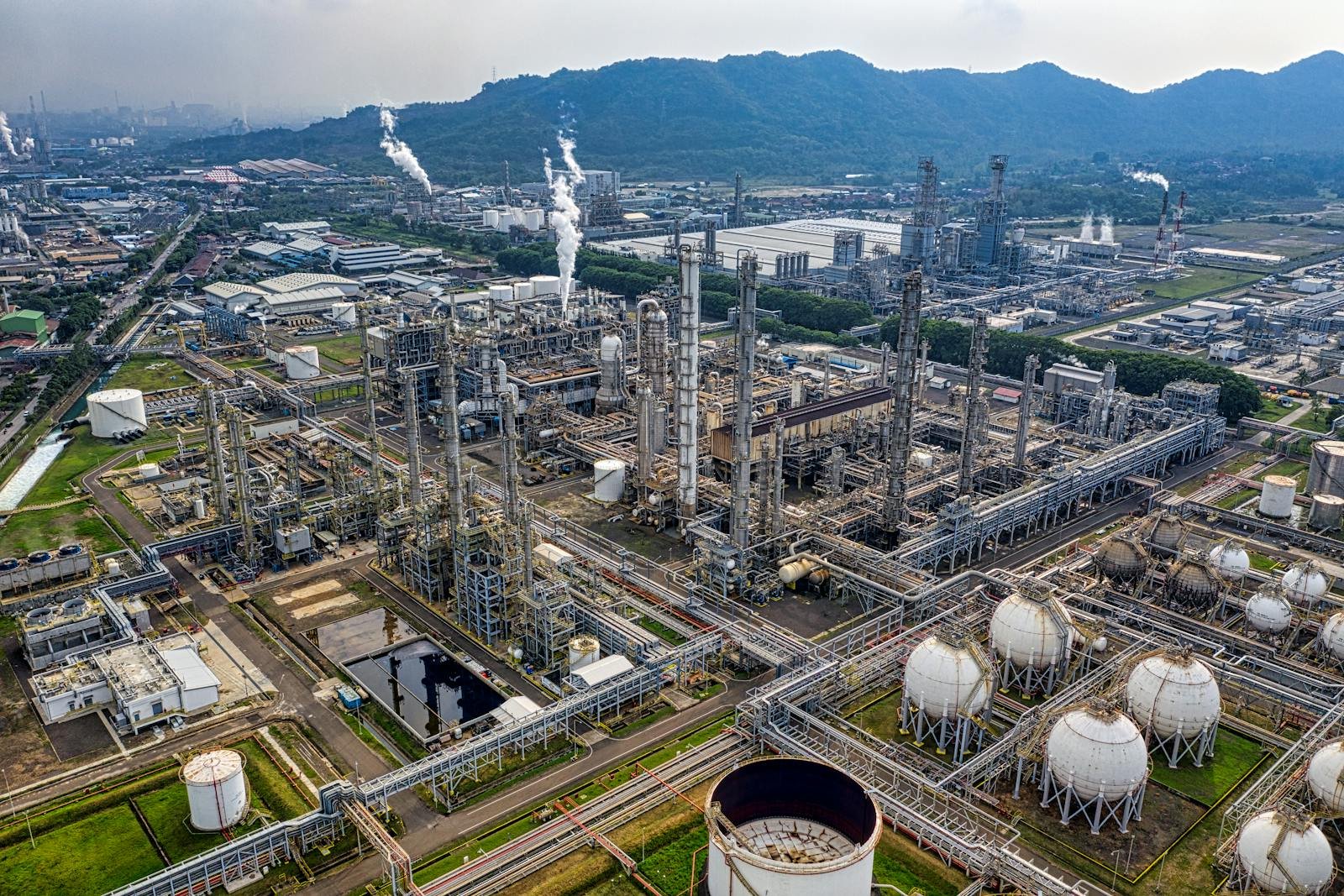
Tank-side instrumentation, level controls, classified-area wiring, lightning and surge protection, and the truck-rack and loading-bay electrical that ties it together.
01
What's in scope
The work, in detail.
Storage terminals and tank farms run on instrumentation. Every level, temperature, and pressure point matters, and most of it is in a classified area.
Tank-side instrumentation
Level transmitters (radar, guided wave, hydrostatic), temperature elements, and pressure transmitters mounted, wired, and labeled per ISA standards.
Level controls
High-high, high, and low-low switches. Independent of the level measurement loop for safety integrity.
Classified-area wiring
Explosion-proof fittings, seal-offs, sealing compound, and intrinsically safe loops where the area classification calls for them.
Lightning and surge protection
API 545 / API 2003 grounding for above-ground steel storage tanks. Surge protection on instrument loops to protect the DCS.
Truck rack and loading bay
Loading arm controls, grounding verification, vapor recovery interlocks, emergency stops, and overfill protection.
Cable tray and conduit
Tray runs through the tank farm with classified-area methods at each transition. Designed for the corrosive, weather-exposed environment.
02
Deliverables
Turnover documentation.
As-built loop diagrams and instrument data sheets.
Calibration certificates and bench check records.
Classified-area drawing markups with seal-off locations.
Ground resistance tests for each tank.
Loading bay interlock test records.
Cable schedule with tag and route.
03
Process
How this service runs.
01
Area classification review
Confirm the classified area drawing before the first hole is drilled.
02
Material staging
All explosion-proof fittings, seal-offs, and instruments pre-staged on site.
03
Installation
Tank-side and loading-bay scope installed in parallel where the schedule allows.
04
Seal-off and loop check
Seal-offs poured and cured. Loop checks executed from field to control room.
05
Turnover
Loop sheets signed, ground tests filed, classified-area documentation handed over.
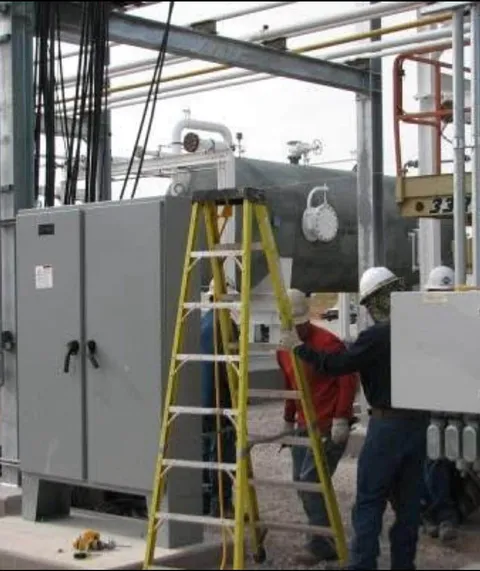
In the field
The work is documented, the loops close, the inspector signs.
100%
self-performed scope
24/7
turnaround support
0
recordables — last job
04
Standards
Standards this scope is built to.
NEC Article 500-516
Hazardous (classified) locations.
API 540, 545, 2003
Refinery electrical and tank grounding for static and lightning protection.
NFPA 30
Flammable and combustible liquids code.
ISA-12 series
Electrical equipment in hazardous locations.
05
More services
Related work we self-perform.
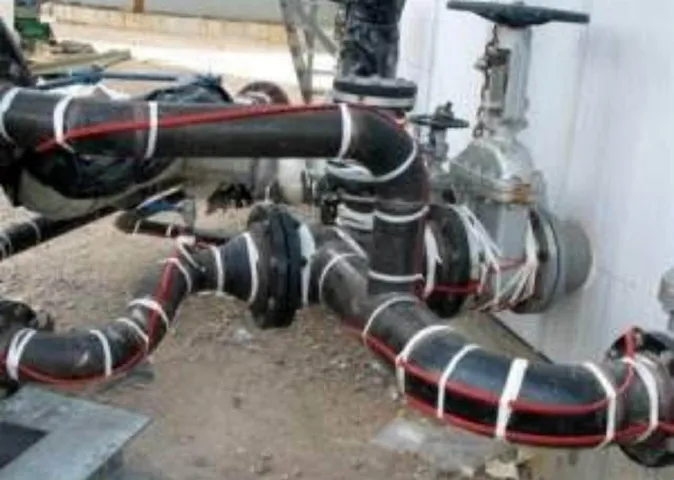
Instrumentation & Controls
Field instruments, control loops, heat trace and documentation that proves the system works.
Explore Instrumentation & Controls
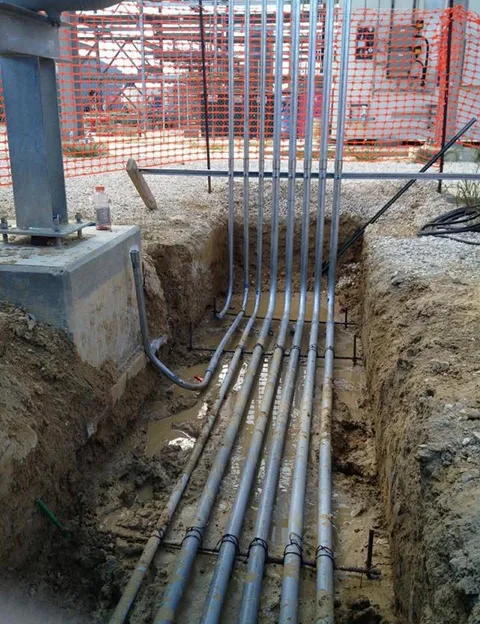
Electrical & Power Construction
Power distribution, conduit, cable tray, grounding and terminations for process environments.
Explore Electrical & Power Construction
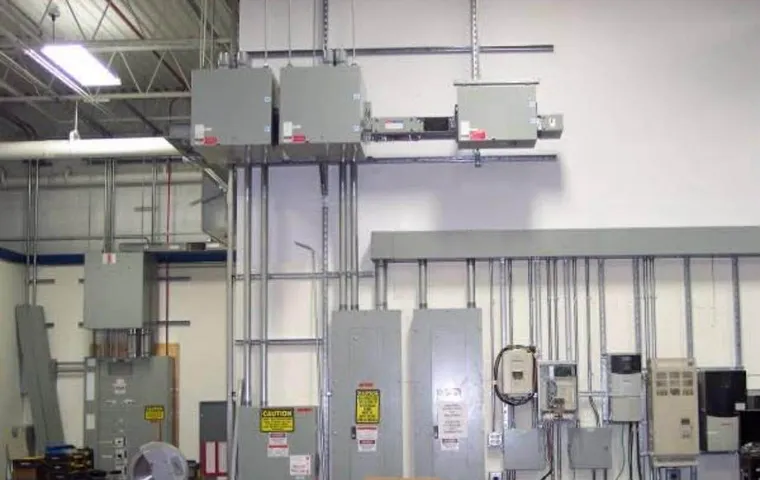
I/O Buildings, MCCs & Control Rooms
Local Instrument Rooms, I/O buildings, MCCs and control infrastructure inside and out.
Explore I/O Buildings, MCCs & Control Rooms
06
FAQ
Common questions on this scope.
Yes. Loading arm interlocks, grounding verification, vapor recovery wiring, and overfill protection are routine scope.
Yes. The majority of our tank farm scope is at operating terminals, so hot-work permits, gas tests, and classified-area discipline are routine.
Radar (guided wave and non-contact), hydrostatic, magnetostrictive, and float-actuated switches. Choice depends on the product and the application.
Per API 2003 for static and bonding, with surge protection on instrument loops to protect the DCS from induced surges.
Yes. Truck rack electrical and instrumentation rebuilds are part of our routine scope, often in coordination with the mechanical rebuild.
Tank farm scope coming up?
Send the area classification drawing and the instrument list. We will respond with next steps.